
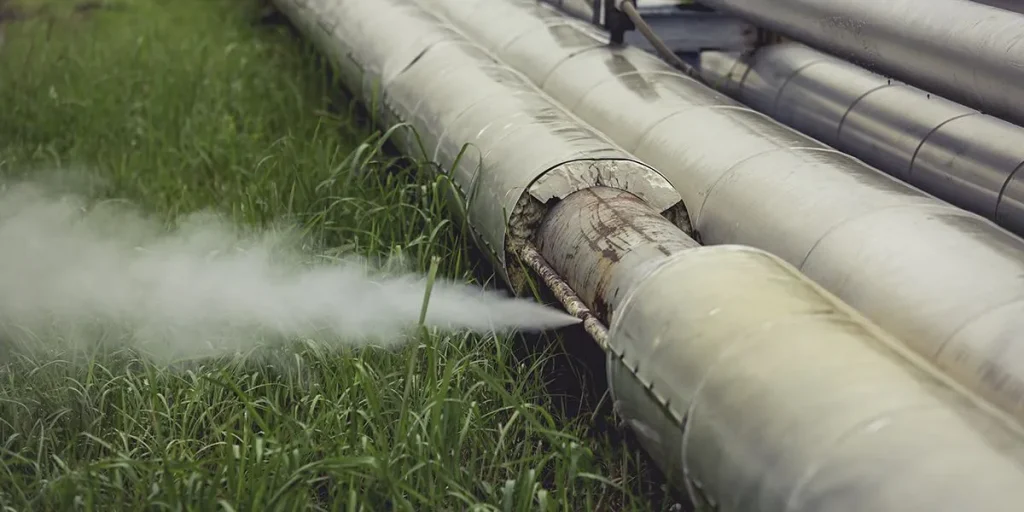
Air in water pipes usually comes from one of four sources: a leak in your pipework, a broken plumbing part, recent maintenance or fixture work, or a well that pulls in air. Trapped air makes faucets sputter, pipes bang or gurgle, and water pressure drop. In most homes, you can bleed it out yourself with a simple shutoff-and-flush method.
Formica Plumbing & Sewer Co. has fixed plumbing for Wickliffe, OH homeowners since 1960. Below, our family team walks you through each cause, the signs to watch for, the DIY fix, and when it’s time to call a licensed plumber.
Key Points
- Air in water pipes usually traces back to a leak, a broken part, recent plumbing work, or a struggling well.
- Trapped air causes noisy pipes, lower water pressure, sputtering faucets, and, over time, corrosion on fixtures.
- You can bleed the air out by shutting off the main valve, draining your faucets, then restoring water and running each tap for 10-15 minutes.
- Air that keeps coming back usually points to a hidden leak or a failing part that needs a licensed plumber.
What Causes Air in Water Pipes?
Air in water pipes gets in wherever your plumbing system is open, damaged, or short on water. These are the four most common causes.
Leaks in Your Pipework
A leak in your pipework lets air into your water lines. Even a small leak throws your home’s water supply out of balance and causes noticeable water pressure problems. Left alone, the amount of air in your plumbing keeps growing, and so do the noise and flow issues.
Leaks often hide behind walls and under floors. Our water leak detection service finds the source without guesswork.
Broken Parts in Your Plumbing System
Broken plumbing parts are another common entry point for air in water pipes. Most parts wear out over time, and a failing part can push air into your lines. Start with these two:
- Water Heater Thermostat: A broken thermostat lets hot water pockets form and trap air in your pipes. Your water runs too hot, and you hear gurgling when you use faucets, especially those close to the thermostat.
- Pressure Relief Valve: A broken or leaky pressure relief valve acts like a leak in your piping. Beyond low pressure and noise, a failed valve can stop your water supply completely.
If either part is the culprit, our water heater repair team can test it and replace what’s failing.
Recent Maintenance or Installation Work
New fixtures and recent maintenance on your water lines often leave air trapped in the pipes. You can also notice air in water pipes after a neighbor who shares your plumbing infrastructure finishes an upgrade.
In most cases, this air comes from normal airflow during the work and clears with use. Air that lingers can signal an ill-fitting part or an incorrect installation.
Well Water Supply Problems
On well water, air in water pipes often starts at the well itself. The two usual sources are:
- Drought: When the well can’t draw enough water, the pump sucks in air as it runs. That air travels into your piping and faucets, and the problem lasts as long as the drought does.
- Well Pump Problems: A struggling well pump introduces air bubbles into your water lines and lowers your water pressure.
For well upkeep and testing, the EPA’s guidance on private wells is a good place to start.
Why Should You Remove Air From Your Water Pipes?
You should remove air from your water pipes because it makes your water system noisy, weak, and unreliable. Trapped air rarely damages plumbing on its own, but it can wear on fixtures over time. Expect these effects:
- Noise: Air pockets make water lines bang, rattle, and gurgle when you open a tap.
- Low Water Pressure: Air takes up space in the line, so less water reaches the faucet.
- Inconsistent Flow: Faucets sputter and spit as air and water come out together.
- Corrosion and Rust: Fixtures exposed to trapped air can corrode and rust over time.
How to Tell If You Have Air in Your Water Pipes
Air in water pipes has a few telltale signs. Watch for these before you start the DIY fix:
- A faucet that spits or sputters when you first open it
- Banging, knocking, or gurgling in the walls after you run water
- Cloudy, milky water that clears from the bottom of the glass up
Cloudy water that doesn’t clear in the glass points to something other than air, such as sediment or hard water. That’s worth a closer look from a plumber.
DIY Method to Remove Air From Your Water Pipes
You can bleed air out of your water pipes in four steps. Follow them in order.
Turn Off Your Main Water Supply Valve
Find your main water supply valve and turn it off. This valve controls the water flowing into your home, and it can sit inside or outside the house. If you can’t find it, call a professional plumber to remove the air for you.
Open All the Faucets in Your Home
Open every faucet connected to your water main, including your dishwasher and washing machine. Halfway open is enough. Start with the faucet closest to the shutoff valve and work your way up from there. Empty your toilet tanks as well.
Wait for all the faucets to run dry. How long that takes depends on how much water was in the pipes when you closed the main valve.
Turn the Main Water Valve Back On
Turn the main valve back on and let all the faucets run for about 10-15 minutes. That gives the air bubbles time to clear and your water pressure time to return to normal. Flush the toilets and run your dishwasher and washing machine during this time.
Once the loud noise is gone, you’ve cleared the trapped air in your water pipes.
Turn Off the Faucets in Order
Close the faucet furthest from your main supply valve first, then work your way back toward the valve. Closing them out of order can undo your work. With every faucet off, the job is done.
Can’t find the shutoff, or is there still air in water pipes after the flush? Our licensed plumbers can handle it for you, and we leave your home as clean as we found it.
When to Call a Plumber for Air in Water Pipes
Call a plumber when the DIY fix doesn’t work or the air keeps coming back. Air that returns after you bleed the lines usually means the source is still open, such as a hidden leak, a failing valve, or a well pump problem.
Some noises aren’t air at all. Water hammer is a single loud bang when a faucet or appliance valve shuts off quickly, while trapped air sounds more like sputtering and gurgling. Hidden slab leaks can also let air in. Left alone long enough, some of these problems can cause water pipe corrosion. Our slab leak repair and plumbing repair services handle the fixes that go beyond a DIY flush.
Formica Plumbing & Sewer Co. has served Wickliffe, OH and Northeast Ohio since 1960. We’re third-generation and family-owned, licensed under Ohio Plumbing License #47834, and available 24/7 for emergencies. Call us or schedule your appointment today. We’ll find where the air is getting in, explain your options in plain terms, and get your water pipes running quietly again.