
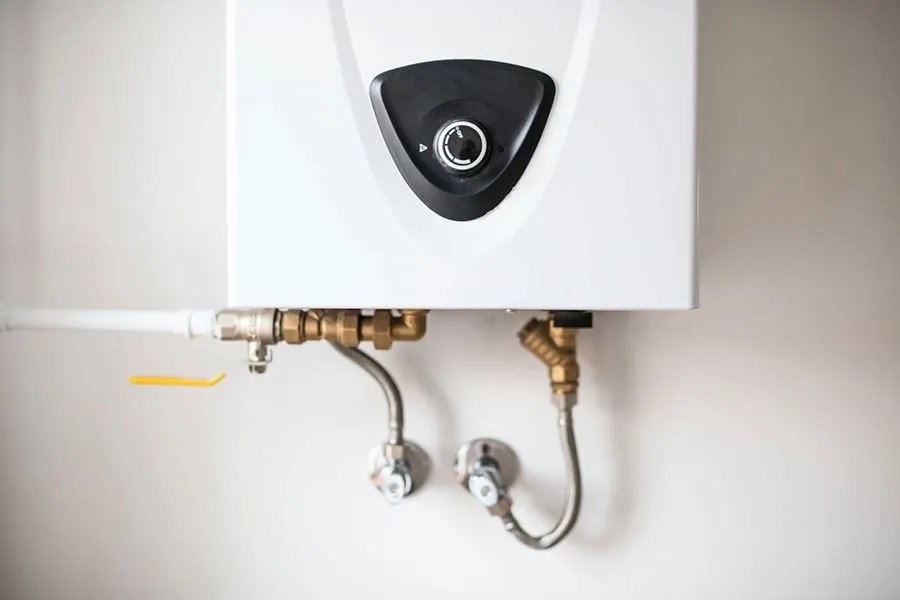
While tankless water heaters promise endless hot water, they can sometimes leave you in the cold. If you’re in Wickliffe, OH, and facing temperature inconsistencies or low water pressure, knowing how to troubleshoot is vital. Understanding the common issues and their solutions can save you time and money. Let’s explore some straightforward steps you can take to get your heater back on track.
Understanding Tankless Water Heater Basics
Tankless water heaters, often hailed for their efficiency, provide hot water on demand without the bulk of traditional storage tanks.
You’ll appreciate how they heat water directly as it flows through the unit, eliminating the need for a large tank. This means you’ll enjoy endless hot water for showers, washing dishes, and laundry, all while saving space.
When selecting a tankless model, consider the flow rate your household needs. The unit’s capacity should match your peak usage to guarantee everyone gets the hot water they need.
Additionally, installation location matters; these heaters can be mounted on walls, making them versatile for various spaces. Regular maintenance, like descaling, helps keep your system running efficiently. Regular inspections can help detect corrosion early to ensure your unit remains in top condition.
With proper understanding and care, your tankless water heater can serve you effectively for years, providing reliable hot water while contributing to energy savings.
Identifying Common Issues
- Fluctuating Water Temperature: You might experience inconsistent hot water, which can indicate a malfunctioning unit.
- Error Codes: Many units display error codes on the panel; consult your manual to decode these warnings.
- Strange Noises: If you hear odd sounds like banging or hissing, it may signify sediment buildup or other internal issues.
- Low Water Pressure: Diminished pressure could result from a blockage or a problem with the plumbing system. Additionally, if your water heater is over 10 years old, it may be more prone to such issues and could benefit from a replacement.
Steps to Troubleshoot Water Temperature Problems
When you notice inconsistent water temperatures from your heater, it’s essential to act quickly to pinpoint the issue. First, check the temperature settings on your unit. Sometimes, they get accidentally adjusted.
Next, inspect the power supply—ensure it’s plugged in and that the circuit breaker hasn’t tripped. If everything looks good there, examine the water filter and remove any debris or blockages that could impede flow.
Also, consider the demand on your system; too many fixtures running at once can lead to temperature drops. Look for any signs of sediment buildup inside the heater, as this can affect performance. Additionally, if you encounter persistent issues, it might be wise to consult with plumbing repair experts who can comprehensively assess your tankless water heater.
Finally, if you still can’t resolve the problem, consult your user manual for specific troubleshooting advice or contact a professional. Taking these steps can help you identify and address temperature issues efficiently, ensuring a reliable hot water supply.
Resolving Flow Rate and Pressure Challenges
- Check the Water Filter: A clogged filter can restrict water flow. Clean or replace it if needed.
- Inspect the Valves: Verify that all water supply valves are fully open. Partially closed valves can limit flow.
- Examine Pipe Size: Smaller pipes may not deliver enough water. Consider upgrading to larger diameter pipes if this is a consistent issue.
- Look for Leaks: Leaks in the plumbing can decrease pressure. Inspect your pipes and connections for any signs of leakage. Additionally, be aware that burst pipes can lead to significant water loss and pressure issues, so it’s important to address any signs of damage promptly.
Maintenance Tips for Optimal Performance
Maintaining your tankless water heater is key to preventing flow rate and pressure issues while guaranteeing peak performance. Start by descaling your unit at least once a year to remove mineral buildup, especially if you have hard water. This process helps maintain efficiency and prolongs the lifespan of your heater.
Next, check the filters and vents regularly for blockages. Clean or replace them as needed to guarantee proper airflow.
Also, inspect the gas supply line and connections for leaks or corrosion, and keep an eye on the temperature settings; they should be set between 120°F and 140°F for maximum performance.
Finally, consider professional maintenance. A licensed technician can perform a thorough inspection and address any minor issues before they escalate.

Conclusion
To sum up, troubleshooting your tankless water heater doesn’t have to be overwhelming. By following these steps and keeping up with regular maintenance, you can enjoy consistent hot water without the hassle. So, why let minor issues disrupt your comfort at home? If problems persist, don’t hesitate to consult the user manual or call in a professional. A little proactive care goes a long way in ensuring your system runs smoothly for years to come!