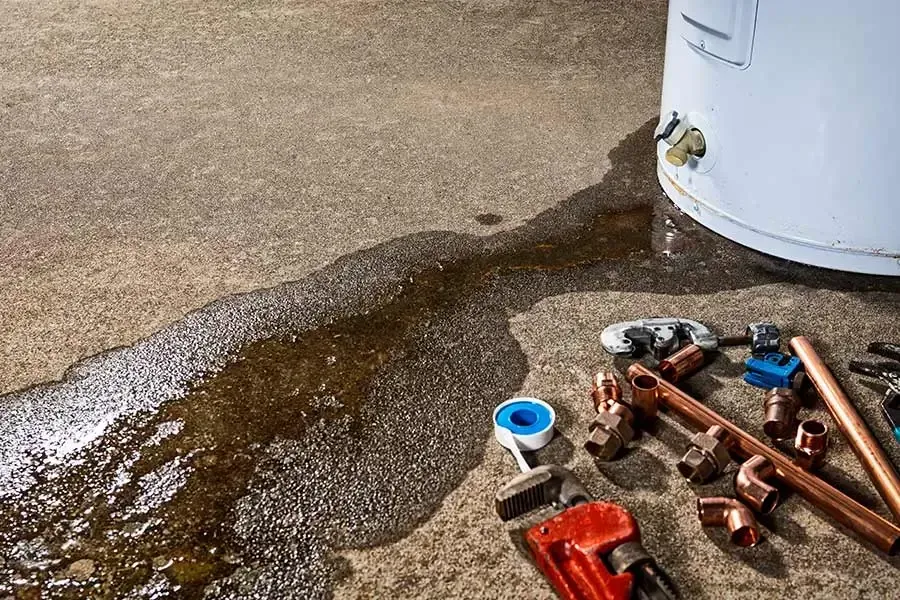
Top Tips for Increasing Water Pressure in Your Chardon, Ohio, Home

Formica Plumbing and Sewer Co.
21 November 2024

If you're dealing with weak showers and faucets, you'd benefit from knowing how to increase your water pressure in your home. As the trusted provider of plumbing repair services in Chardon, OH, our team at Formica Plumbing and Sewer Co. can help you keep your water pressure at the perfect level. From Canfield Drive to Lost Pond Parkway, we're passionate about delivering quality plumbing solutions to every Chardon home.


How To Test Your Home's Water Pressure in Chardon

You should aim for a water pressure between 40 and 70 psi. Anything below 40 can't meet your needs, while anything above 80 can cause damage to your appliances and fixtures. Where to aim for within that range largely depends on personal preference.


How can you measure your home's water pressure? Find a spigot outside, connect a pressure gauge, and turn on the water. Measure the pressure when no other appliances or fixtures are running.


Best Ways To Improve Your Water Pressure

Did you get a low-pressure reading and now wonder how to increase your water pressure in your home in Chardon? First, check with your neighbors to determine whether they have the same problem. If they do, you might have a problem in the neighborhood you can't solve with home water pressure solutions.


Open Your Main Valve

Opening your main water valve is among the easiest home water pressure tips to adjust your water pressure. You can open your main water valve partially, which significantly affects the water pressure throughout your home. If you find it open only a fraction, you can easily increase the flow.


Check for Leaks and Clogs

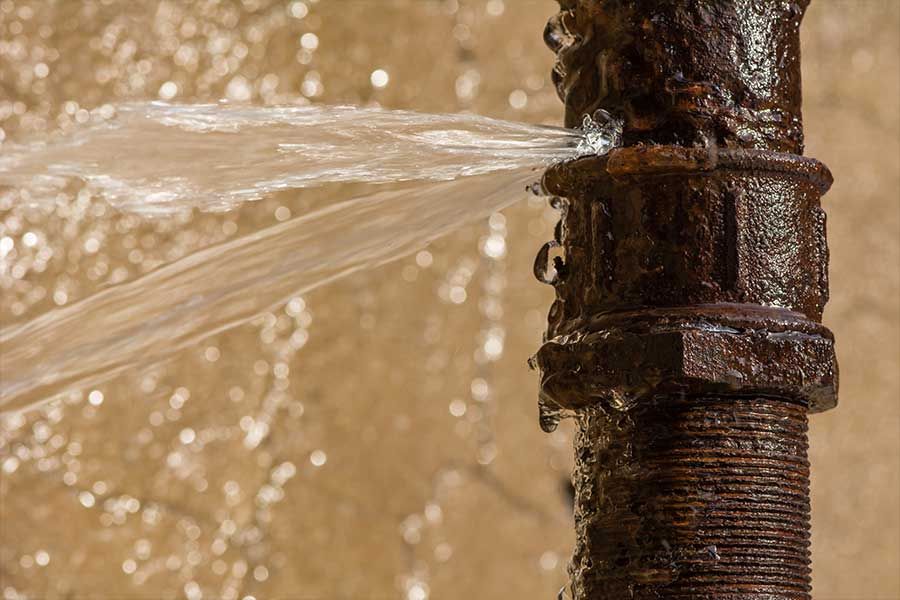
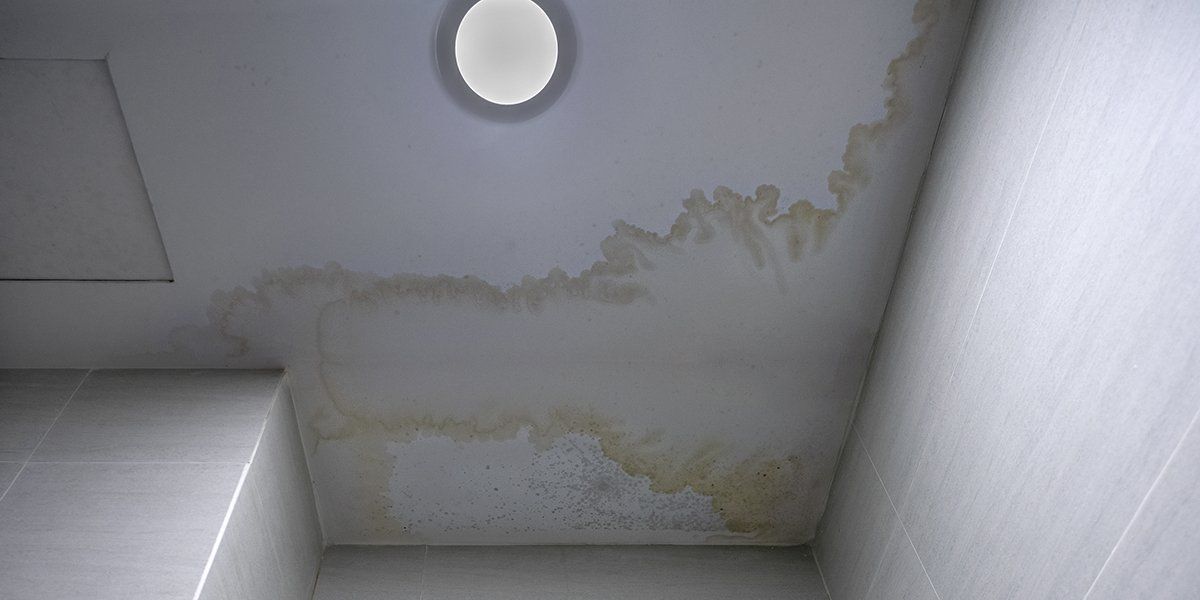
Leaks and clogs can reduce your water pressure but for two different reasons. Blockages act as flow restrictors and don't allow the water to travel through the pipes as quickly. Leaks divert some of the water so that less of it reaches your destination.


Low water pressure provides an early indication you need a pipe inspection. If you have a clog and don't clear it, it will eventually create a leak.


Clean and Replace Fixtures

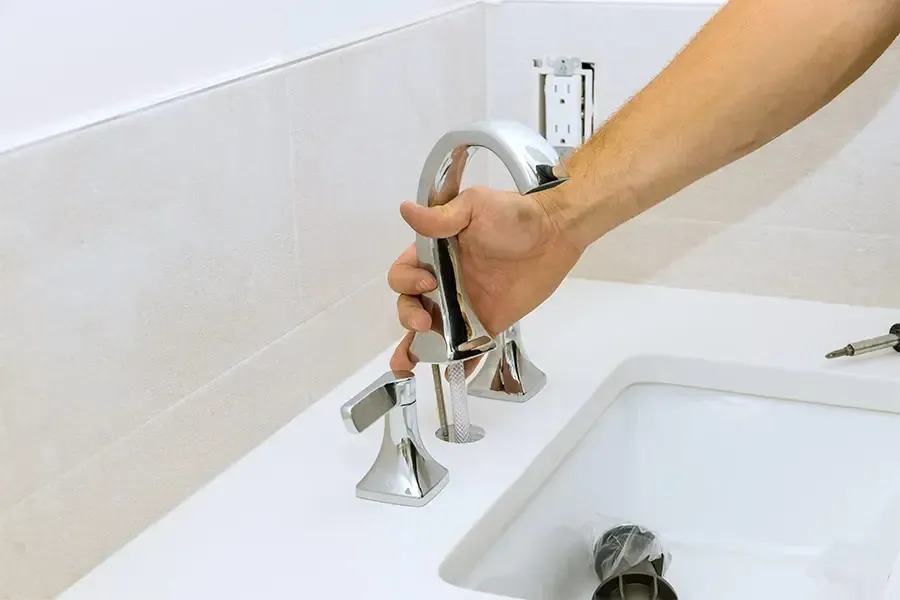
If you have hard water, it can leave mineral deposits on your faucet or shower head. Have you ever seen the water spray in an unusual direction? The sediment blocks the holes and restricts or modifies the flow.


Consider replacing older fixtures in your Chardon home. The new one will last a long time and won't have any buildup to affect it. You can also clean the faucet by soaking it in vinegar to dissolve the mineral deposits.


Adjust the Water Pressure Regulators

If you're wondering how to increase your water pressure in your home, locate your home's pressure-reducing valve. You can usually find it on the exterior wall near the water meter.


Even a minor adjustment to the pressure regulator can affect your water pressure. Make minor plumbing adjustments and test your pressure after each one so you get the perfect flow rate. To increase your pressure, turn the screw on the valve clockwise.


Install a Pressure Booster

Pressure-boosting systems are pumps that can enhance the water pressure in your home. If you have a problem with the city water supply, this may offer the only viable solution. You'll need a certified plumber to install these systems.


Drain Your Water Heater

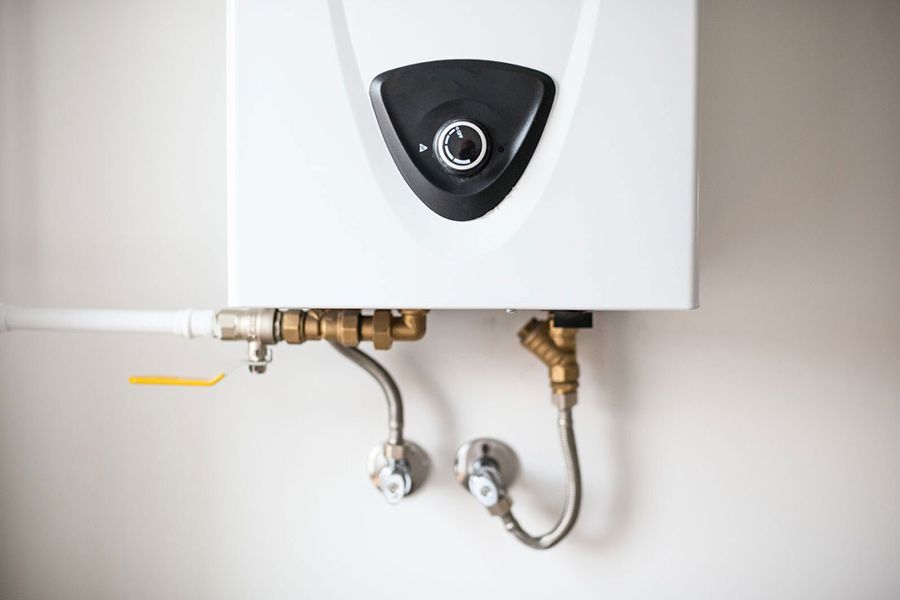
If you notice a lack of pressure only when you use hot water, the problem may derive from your water heater. Hard water causes sediment to build up in your tank, which restricts the flow of hot water. You may also notice your heated water runs out more quickly than usual.


Inspect Your Pipes

Old, damaged, and corroded pipes can reduce your water pressure. If you've tried the easy ways of increasing your water pressure and still have a problem, you'll need a plumber to inspect your pipes.

If they find significant damage, they may need to replace your pipes. This does more than improve water pressure. Your water will taste fresher, your drains won't back up as much, and you won't have to worry about water damage from leaks.


Caring for Your Home's Pipes

In addition to wondering how to increase your water pressure in your home, you might be curious about how to care for your pipes and prevent this issue in the first place.


Drain Vigilance

Clogged drains remain one of the most common causes of low water pressure. To help keep your drains clear, you should stay vigilant about what you send down them. Never send the following substances down your sink, toilet, or shower:

  • Products frequently marketed as flushable (certain wet wipes)
  • Coffee grounds and egg shells
  • Hair and soap scum (use a drain catcher)
  • Grease and oil
  • Pasta and rice
  • Dental floss
  • Fibrous food like celery and fruit peels
  • Bones and fruit pits


You should also never use a chemical drain cleaner to clear your drains. These products can corrode your pipes, eventually causing leaks and lowering water pressure.


Regular Maintenance

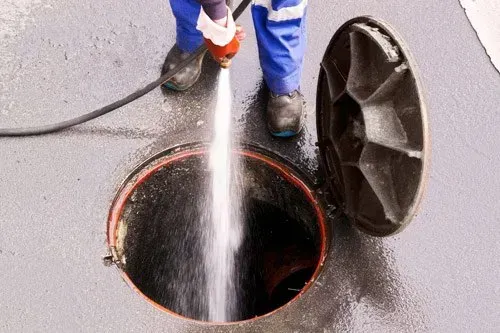
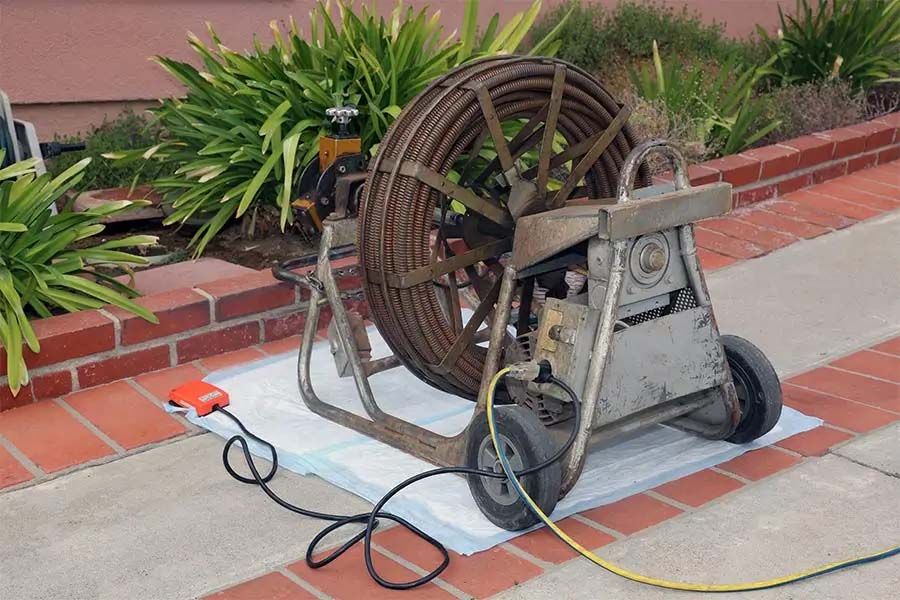
To keep your pipes and drains in peak condition, schedule annual maintenance. During a maintenance appointment, a professional plumber will check the quality of your pipes, clean your drains, and identify minor problems before they become serious. Annual maintenance remains one of the smartest investments you can make because it saves you money on major repairs and helps you avoid water damage.


Soft Water Systems

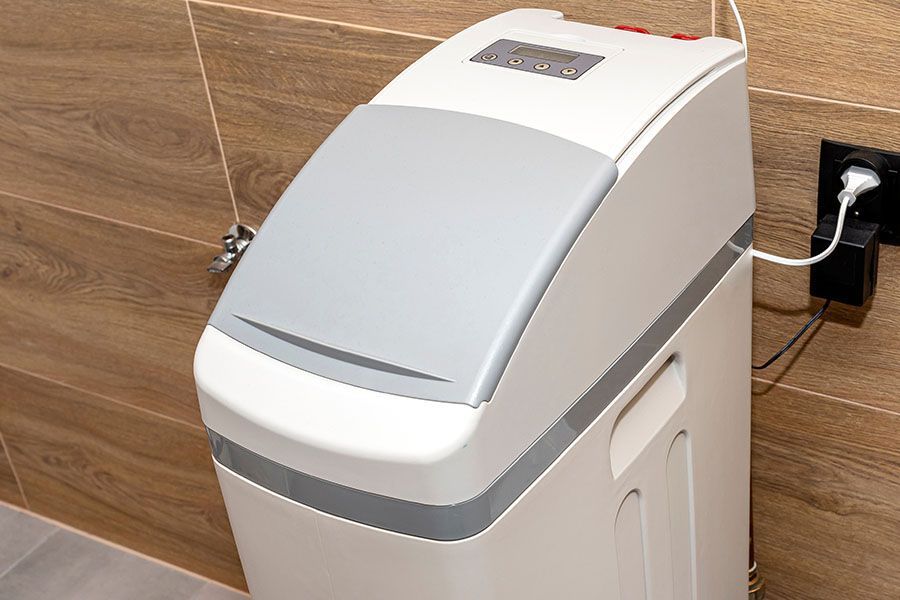
Apart from clogged drains, you can blame sediment buildup for a large percentage of your water pressure issues. When you install a whole-home water softener, you prevent most sediment from accruing.

This can keep your water pressure at the perfect level and extend the life of your pipes and systems like your water heater. You'll get your money's worth in the long term.


Schedule Plumbing Maintenance and Repairs in Chardon, Ohio

Now that you know how to increase your water pressure in your home, you'll know when you should call Formica Plumbing and Sewer Co. We understand all the signs of bad plumbing pipes and always offer customized plumbing solutions for a competitive price. We've served Chardon residents for over 60 years.


Contact us to schedule an appointment today.
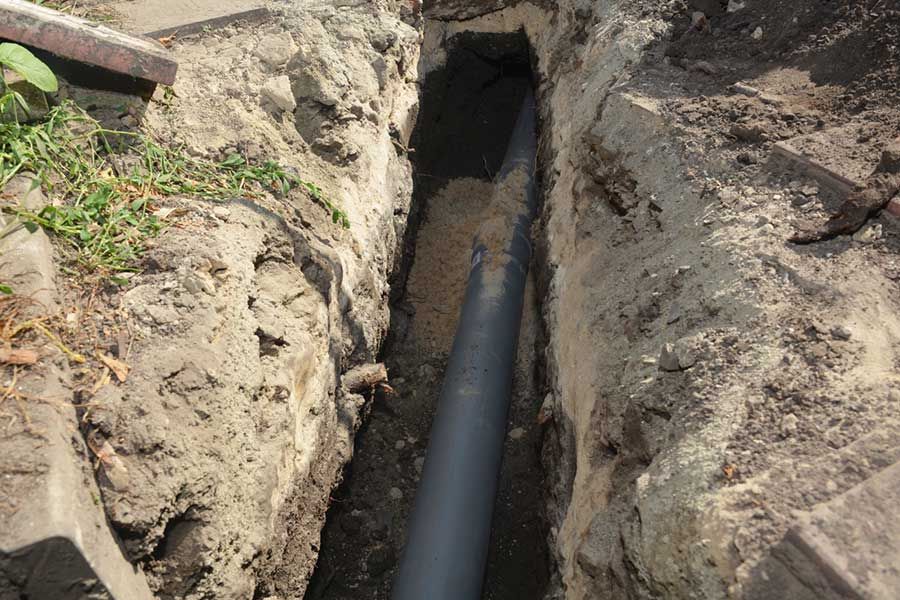


Emergency Burst Pipe Repair in Wickliffe, OH
1 February 2026
Is your plumbing at risk? Learn the 10 critical warning signs of a burst pipe in Wickliffe, OH, and know when to call for emergency repair to save your home.
Burst Pipe in Highland Heights, OH
1 February 2026
Dealing with a burst pipe in Highland Heights, OH? Discover 10 critical steps to take immediately to minimize water damage and protect your home.
Water Softener Running Smoothly in Wickliffe, OH
by SEOCH 8 January 2026
Want to extend the life of your water softener in Wickliffe, OH? Learn 7 essential maintenance tips to prevent costly repairs and ensure top performance.
Fixing Common Faucet Issues in Wickliffe, OH
by SEOCH 8 January 2026
Think of your faucet as the heartbeat of your kitchen or bathroom; when it falters, it can disrupt your daily routine. Whether you're dealing with annoying leaks or low water pressure, fixing common faucet issues in Wickliffe, OH, doesn't have to be intimidating. You can restore that steady flow with the right tools and a little know-how. Let's explore the steps you need to take for a smooth-running faucet. Identifying Common Faucet Problems Have you ever wondered why your faucet drips or makes strange noises? Identifying the problem is the first step toward a solution. Common issues include dripping, which often means a worn-out washer or O-ring. If your faucet squeaks or rattles, it could be due to loose parts or mineral buildup. A faucet that won't turn off completely might've a faulty cartridge or valve seat. If you notice low water pressure, check for clogs in the aerator or supply lines. Strange sounds, like banging or humming, can indicate air in the pipes or a failing valve. You might also encounter leaks around the base, signaling a need for new seals or tightened connections. By recognizing these issues early, you can prevent bigger problems down the line. Additionally, toilet leaks can result from worn-out parts, just like faucet issues. Stay proactive, and your faucet will thank you with smooth operation! Tools and Materials Needed for Repairs When tackling faucet repairs, having the right tools and materials on hand can make all the difference. Before diving into your repair project, gather these essential items to guarantee a smooth process: Adjustable wrench : This versatile tool helps you grip and turn nuts and bolts securely. Screwdriver set : A mix of flathead and Phillips screwdrivers will tackle various screws you may encounter. Plumber's tape : This helps create a watertight seal on threaded connections, preventing leaks. Replacement parts : Depending on the issue, you might need new washers, O-rings, or cartridges specific to your faucet model. Additionally, accurately diagnosing plumbing issues can prevent unnecessary repairs and save time. With these tools and materials ready, you'll be well-equipped to efficiently address common faucet issues. Step-by-Step Instructions for Fixing Leaks With your tools and materials ready, you can now tackle the common problem of faucet leaks. First, turn off the water supply to your faucet. Then, remove the handle by unscrewing any visible screws or gently prying it off with a flathead screwdriver. Once the handle's off, use a wrench to unscrew the packing nut, exposing the stem or cartridge inside. Check for worn washers or O-rings. If they're damaged, replace them with new ones that match your faucet model. Additionally, be aware that burst pipes can also lead to issues like leaks if not addressed promptly. Reassemble the faucet by reversing your steps: put the stem back in, tighten the packing nut, and reattach the handle. Finally, turn the water supply back on. Test the faucet to verify the leak is fixed. If it still drips, you might need to evaluate replacing the cartridge, but for now, you've taken an important step in maintaining your faucet. How to Replace a Faucet Cartridge Replacing a faucet cartridge is a straightforward process that can restore your faucet's functionality and eliminate leaks. Start by turning off the water supply to avoid any spills. Next, remove the handle by loosening the screw, often hidden under a decorative cap. Once the handle's off, take out the retaining nut to access the cartridge. Pull it straight out and replace it with the new cartridge, making sure it fits securely. Here's a quick checklist for your replacement: Gather the necessary tools : a screwdriver, pliers, and a new cartridge. Turn off the water supply : prevent any leaks during the process. Carefully remove the old cartridge : avoid damaging other components. Test the faucet : after installation, check for leaks and proper function. Additionally, if you notice any unfamiliar sounds coming from your plumbing, it might indicate other issues that need to be addressed. Following these steps will help you efficiently replace your faucet cartridge, ensuring a leak-free and fully functional faucet. Preventative Maintenance Tips for Faucets Regular maintenance can considerably extend the lifespan of your faucets and prevent costly repairs down the line. Start by regularly checking for leaks; even a small drip can waste water and lead to bigger issues. Clean the aerator every few months to remove mineral buildup that can affect water flow. Simply unscrew it, rinse it in vinegar, and reattach it. Next, inspect the washers and O-rings for wear and tear. Replacing these components can stop leaks before they start. Make it a habit to tighten any loose screws to guarantee everything stays secure periodically. Lastly, keep your faucets free from harsh chemicals that can cause corrosion. Instead, use mild soap and water for cleaning.
Troubleshoot Common Tankless Water Heater in Wickliffe, OH
by SEOCH 8 December 2025
While tankless water heaters promise endless hot water, they can sometimes leave you in the cold. If you're in Wickliffe, OH, and facing temperature inconsistencies or low water pressure, knowing how to troubleshoot is vital. Understanding the common issues and their solutions can save you time and money. Let's explore some straightforward steps you can take to get your heater back on track. Understanding Tankless Water Heater Basics Tankless water heaters, often hailed for their efficiency, provide hot water on demand without the bulk of traditional storage tanks. You'll appreciate how they heat water directly as it flows through the unit, eliminating the need for a large tank. This means you'll enjoy endless hot water for showers, washing dishes, and laundry, all while saving space. When selecting a tankless model, consider the flow rate your household needs. The unit's capacity should match your peak usage to guarantee everyone gets the hot water they need. Additionally, installation location matters; these heaters can be mounted on walls, making them versatile for various spaces. Regular maintenance, like descaling, helps keep your system running efficiently. Regular inspections can help detect corrosion early to ensure your unit remains in top condition. With proper understanding and care, your tankless water heater can serve you effectively for years, providing reliable hot water while contributing to energy savings. Identifying Common Issues Fluctuating Water Temperature : You might experience inconsistent hot water, which can indicate a malfunctioning unit. Error Codes : Many units display error codes on the panel; consult your manual to decode these warnings. Strange Noises : If you hear odd sounds like banging or hissing, it may signify sediment buildup or other internal issues. Low Water Pressure : Diminished pressure could result from a blockage or a problem with the plumbing system. Additionally, if your water heater is over 10 years old , it may be more prone to such issues and could benefit from a replacement. Steps to Troubleshoot Water Temperature Problems When you notice inconsistent water temperatures from your heater, it's essential to act quickly to pinpoint the issue. First, check the temperature settings on your unit. Sometimes, they get accidentally adjusted. Next, inspect the power supply—ensure it's plugged in and that the circuit breaker hasn't tripped. If everything looks good there, examine the water filter and remove any debris or blockages that could impede flow. Also, consider the demand on your system; too many fixtures running at once can lead to temperature drops. Look for any signs of sediment buildup inside the heater, as this can affect performance. Additionally, if you encounter persistent issues, it might be wise to consult with plumbing repair experts who can comprehensively assess your tankless water heater. Finally, if you still can't resolve the problem, consult your user manual for specific troubleshooting advice or contact a professional. Taking these steps can help you identify and address temperature issues efficiently, ensuring a reliable hot water supply. Resolving Flow Rate and Pressure Challenges Check the Water Filter : A clogged filter can restrict water flow. Clean or replace it if needed. Inspect the Valves : Verify that all water supply valves are fully open. Partially closed valves can limit flow. Examine Pipe Size : Smaller pipes may not deliver enough water. Consider upgrading to larger diameter pipes if this is a consistent issue. Look for Leaks : Leaks in the plumbing can decrease pressure. Inspect your pipes and connections for any signs of leakage. Additionally, be aware that burst pipes can lead to significant water loss and pressure issues, so it's important to address any signs of damage promptly. Maintenance Tips for Optimal Performance Maintaining your tankless water heater is key to preventing flow rate and pressure issues while guaranteeing peak performance. Start by descaling your unit at least once a year to remove mineral buildup, especially if you have hard water. This process helps maintain efficiency and prolongs the lifespan of your heater. Next, check the filters and vents regularly for blockages. Clean or replace them as needed to guarantee proper airflow. Also, inspect the gas supply line and connections for leaks or corrosion, and keep an eye on the temperature settings; they should be set between 120°F and 140°F for maximum performance. Finally, consider professional maintenance. A licensed technician can perform a thorough inspection and address any minor issues before they escalate.
Prevent Slab Leaks in Wickliffe, OH
by SEOCH 8 December 2025
If you own a home in Wickliffe, OH, slab leaks can be a significant concern. Understanding how they occur and taking proactive steps can save you from costly repairs down the line. By implementing a few effective strategies, you can protect your foundation and guarantee your plumbing system runs smoothly. Curious about the specific methods that can help you safeguard your home? Let's explore some proven ways to prevent slab leaks effectively. Understand the Causes of Slab Leaks While it might seem like a minor issue at first, understanding the causes of slab leaks is essential for protecting your home. Slab leaks typically occur due to shifting soil, poor installation, or corrosion of pipes. When soil beneath your foundation expands and contracts, it can exert pressure on your plumbing system, leading to cracks. If pipes were improperly installed, they may not be able to withstand daily wear and tear, increasing the risk of leaks. Corrosion, often caused by chemical reactions with water and pipe materials, can weaken even the most durable pipes over time. Additionally, high water pressure can exacerbate pipe stress, making leaks more likely. Regular inspections by licensed professionals can help identify potential issues before they lead to costly repairs. Regularly Inspect Your Plumbing System To prevent slab leaks, you should regularly inspect your plumbing system. Start by checking for any leaks and monitoring your water pressure, as both can indicate underlying issues. Staying proactive can save you from costly repairs down the line. Additionally, utilizing infrared cameras can help identify leaks not visible to the naked eye. Check for Leaks Regularly inspecting your plumbing system prevents slab leaks and protects your home from costly damage. Start by checking visible pipes for any signs of leaks, such as moisture or discoloration. Don't forget to look under sinks, around toilets, and near water heaters. Listen for unusual sounds, like dripping or running water, which can indicate an issue. You should also inspect your foundation for damp spots or cracks, as these may signal hidden leaks. If you notice anything unusual, address it immediately. Regular leak checks can save you from extensive repairs later. Consider scheduling professional inspections annually to guarantee everything's in top shape. With vigilance, you can protect your home and maintain its value. Monitor Water Pressure Monitoring water pressure is essential for preventing slab leaks and ensuring your plumbing system functions efficiently. High water pressure can stress pipes, leading to cracks and leaks, especially in the slab foundation. You should regularly check your home's water pressure using a gauge, aiming for a range of 40-60 psi. If you notice it exceeds this range, consider installing a pressure regulator to protect your plumbing. Additionally, keep an eye out for unusual spikes in pressure, which can indicate underlying issues. Regular inspections by a professional, like Formica Plumbing & Sewer Co., can help identify and address potential problems before they escalate. Maintain Proper Drainage Around Your Home To prevent slab leaks, you need to maintain proper drainage around your home. Start by considering how your landscape is graded and guarantee water flows away from your foundation. Additionally, keep your gutter system clean and functional to direct rainwater away effectively. Regular drain cleaning techniques can further help in preventing water buildup that may contribute to slab leaks. Landscape Grading Considerations While proper landscape grading might seem like a minor detail, it plays an essential role in maintaining effective drainage around your home. When you design your landscape, make certain that the ground slopes away from your foundation. This prevents water from pooling near your slab, reducing the risk of leaks. Additionally, keep any flower beds or gardens lower than your foundation to encourage drainage. Regularly inspect and adjust your grading as necessary, especially after heavy rains or landscaping changes. Remember, even small dips or hills can impact water flow. Gutter System Maintenance Proper gutter system maintenance is essential for guaranteeing effective drainage around your home. Clogged gutters can cause water to overflow, leading to soil erosion and potential slab leaks. To prevent this, regularly inspect and clean your gutters, removing debris like leaves and twigs. Make certain that downspouts direct water at least three to four feet away from your foundation. Check for any damage or sagging, and replace or repair sections as needed. During heavy rainfall, monitor how well your gutters handle the flow. Keep Soil Moisture Levels Consistent Maintaining consistent soil moisture levels is essential for preventing slab leaks, as fluctuating moisture can lead to soil expansion and contraction beneath your foundation. To achieve this, regularly water your landscaping and guarantee proper drainage around your home. During dry spells, use soaker hoses or drip irrigation to keep the soil evenly moist. You can also consider mulching around plants to retain moisture and reduce evaporation. In areas with heavy rainfall, install drainage systems to direct excess water away from your foundation. Monitor your soil moisture with a simple moisture meter to avoid overwatering or underwatering. Additionally, ensure your plumbing system is in optimal condition by scheduling routine inspections to detect any potential issues early. If your home has trees nearby, be mindful of their root systems, as they can absorb significant moisture, causing soil displacement. By keeping the soil moisture stable, you can protect your foundation and minimize the risk of slab leaks, providing a solid, stable base for your home. Insulate Pipes to Prevent Damage To prevent slab leaks, insulating your pipes is a smart move. You'll find that using the right insulation materials not only protects your pipes from temperature fluctuations but also saves you money on energy bills. Plus, this added layer of protection can greatly reduce the risk of damage to your home. Pipe Insulation Materials Although you mightn't think about it often, insulating your pipes is an essential step in preventing damage from slab leaks. Choosing the right materials can make all the difference. Foam insulation is a popular option due to its ease of installation and effectiveness in reducing heat loss. You might also consider fiberglass insulation, which provides excellent thermal protection but requires more effort to install. If you're in very cold areas, rubber insulation can offer superior protection against freezing. No matter what material you choose, make sure it fits snugly around the pipes to maximize its benefits. Properly insulating your pipes not only helps prevent slab leaks but also enhances your home's energy efficiency. Benefits of Insulation Insulating your pipes offers numerous benefits that go beyond just preventing slab leaks. By adding insulation, you can maintain a consistent temperature in your plumbing, reducing the risk of freezing during harsh winters. This not only protects your pipes but also saves you money on heating costs, as insulated pipes retain heat more effectively. Additionally, insulation can help reduce noise from water flow, enhancing your home's comfort. It also prevents condensation, which can lead to mold growth and other moisture issues. Overall, insulating your pipes is a smart investment in your home's longevity and efficiency. If you need help with insulation or any plumbing needs, Formica Plumbing & Sewer Co. is here to assist you! Monitor Water Pressure Regularly Regularly monitoring your water pressure is essential for preventing slab leaks in your home. High water pressure can put excessive strain on your plumbing system, increasing the risk of leaks in pipes that run beneath your foundation. To guarantee your pressure stays within a safe range, invest in a pressure gauge and check it periodically. Ideally, your water pressure should be between 40 and 60 psi. If you find it consistently exceeding this range, it's time to take action. Consider adjusting your pressure-reducing valve or contacting a professional plumber for assistance. Additionally, be aware of any sudden changes in water flow or unusual noises in your pipes, as these could indicate a problem. Use Quality Materials for Plumbing Installations Maintaining proper water pressure is just one aspect of safeguarding your plumbing system; using quality materials for installations is equally important. When you invest in high-grade pipes, fittings, and fixtures, you greatly reduce the risk of leaks and future repairs. Cheaper materials might save you money upfront, but they often lead to problems down the line, including slab leaks that can damage your home. Always choose materials that are resistant to corrosion and wear. Copper and PEX piping are great options, as they offer durability and longevity. Don't forget to hire experienced professionals for installation; their expertise guarantees everything's done correctly. At Formica Plumbing & Sewer Co., we emphasize quality in every project. We're here to help you select the best materials for your plumbing needs. By making these smart choices, you'll protect your home and enjoy peace of mind for years to come. Address Plumbing Issues Promptly While it might be tempting to ignore minor plumbing issues, addressing them promptly can save you from significant headaches later on. Even a small leak can lead to increased water bills, mold growth, and, ultimately, slab leaks if left untreated. If you notice dripping faucets, running toilets, or damp spots on your floor, don't wait for them to escalate. Schedule Routine Professional Inspections Scheduling routine professional inspections is essential for catching potential plumbing issues before they turn into costly slab leaks. By having a licensed plumber examine your plumbing system regularly, you can identify weaknesses or early signs of trouble that might otherwise go unnoticed. These inspections not only help maintain the integrity of your plumbing but also give you peace of mind. During these visits, professionals will check for leaks, corrosion, and other signs of wear. They can also assess your pipes' condition and recommend necessary repairs or replacements. This proactive approach saves you money in the long run, as addressing minor issues now can prevent major headaches later. Formica Plumbing & Sewer Co. offers thorough inspections tailored to your home's needs. With their expertise, you can trust that your plumbing system is in good hands, and you'll be one step closer to protecting your home from slab leaks. Invest in a Water Leak Detection System Investing in a water leak detection system can be a game-changer for your home, especially when it comes to preventing slab leaks. These systems provide continuous monitoring, alerting you to leaks before they escalate into major issues. With real-time notifications sent directly to your smartphone, you can take action quickly, minimizing damage and costly repairs. Many systems offer features like automatic shut-off valves, which can prevent water from flowing if a leak is detected. This not only protects your home but also conserves water, benefiting both your wallet and the environment.
Hydro Jetting Service in Wickliffe, OH
by SEOCH 7 November 2025
Dealing with slow drains, foul odors, or recurring clogs? Discover 7 clear signs it's time to restore your pipes with hydro jetting in Wickliffe, OH.
Gas Line Needs Immediate Repair in Wickliffe, OH
by SEOCH 7 October 2025
Did you know that gas leaks can often go unnoticed until they become serious hazards? In Wickliffe, OH, it's essential to be aware of the subtle signs that indicate your gas line might need urgent repair. From unusual odors to strange sounds, these warning signs can help you protect your home and family. Understanding what to look for could make all the difference in ensuring safety. Let's explore these critical indicators further. Unpleasant Odors: A Distinct Smell of Gas If you notice an unpleasant odor reminiscent of rotten eggs in your home, it's crucial to act quickly. This smell often signals a gas leak, which can pose serious safety risks. Don't ignore it or assume it's something minor. Instead, evacuate everyone from the premises immediately, including pets, and avoid using any electrical devices, as they could spark an explosion. Once you're safely outside, contact a professional plumber or gas technician to assess the situation. They'll have the expertise to locate the leak and perform necessary repairs. Keep in mind that proper gas line installation is essential to prevent such issues in the future. Remember, delaying action can lead to dangerous consequences, so prioritize your safety. Formica Plumbing & Sewer Co. is here to help with any gas line issues you may encounter. Our team is available 24/7, ensuring you get prompt and reliable service when you need it most. Trust us to restore safety to your home quickly and efficiently. Hissing or Whistling Sounds Near Gas Lines Hearing a hissing or whistling sound near your gas lines can be alarming, as it often indicates a gas leak. These sounds are typically caused by gas escaping from a damaged pipe or fitting. If you notice these noises, it's vital to act quickly. First, turn off your gas supply immediately and avoid using any electrical devices, as sparks could ignite the gas. Next, ventilate the area by opening windows and doors, but don't use fans. It's important to leave the premises and contact a licensed professional, like Formica Plumbing & Sewer Co., to assess and repair the issue. They specialize in gas line repair to ensure your safety and compliance with local regulations. Ignoring these sounds can lead to serious safety hazards, including fire or explosion risks. Always prioritize your safety and the safety of those around you by addressing any unusual noises near your gas lines without delay. Dead Plants or Vegetation Around Gas Pipelines Noticing dead plants or patchy vegetation around gas pipelines can signal a serious issue, much like hissing or whistling sounds. If you see these signs, it's vital to act quickly. Gas leaks can harm your landscape and pose a significant danger to your home and family. Here are some key indicators to watch for: Yellowing or wilting leaves that don't improve with watering Sparse growth or bald patches in your garden or lawn Unusually slow plant growth in areas near gas lines Unpleasant odors in the vicinity of your plants If you observe any of these signs, it's time to contact a professional. Ignoring the issue could lead to severe consequences, including property damage or health risks. Additionally, timely intervention for issues like sewer line problems can prevent further complications. Take action immediately to guarantee safety and protect your home. Increase in Gas Bills Without Explanation As you review your monthly expenses, an unexplained spike in your gas bill can raise immediate concerns about potential gas leaks. If you've noticed a sudden increase without any change in your usage habits, it's time to take action. This unexpected rise may indicate that gas is escaping somewhere along your lines, which can pose serious safety risks. You should closely monitor your gas usage and compare it to previous months. If the increase persists, don't ignore it. This could lead to higher costs and, more importantly, a dangerous situation. Reach out to a licensed professional who can inspect your gas lines for leaks or malfunctions. Regular inspections can help detect corrosion issues early and ensure your home remains safe. Taking prompt action can prevent further escalation and guarantee your home remains safe. With companies like Formica Plumbing & Sewer Co., you get reliable service that prioritizes your safety. Don't wait—address that spike in your gas bill today! Physical Damage to Gas Lines or Connections Unexpected changes in your gas bill can lead you to investigate further, but physical damage to gas lines or connections might be a more immediate concern. It's vital to look for signs of damage that could indicate a serious leak or hazard. If you spot any of the following issues, don't hesitate to call for professional help: Cracks or dents on visible gas lines Loose or disconnected fittings and connections Signs of corrosion or rust on metal pipes Unusual odors, like a sulfur smell, near gas appliances These signs could point to dangerous leaks that pose health risks or fire hazards. Remember, timely repairs can prevent costly damages and guarantee your home remains safe. If you suspect any damage, reach out to Formica Plumbing & Sewer Co. for immediate assistance and expert solutions. Your safety is our priority!
Professional Drain Cleaning in Wickliffe, OH
by SEOCH 7 October 2025
If you're a homeowner in Wickliffe, OH, you might not realize just how essential professional drain cleaning can be for your plumbing system. Ignoring clogs and buildup can lead to costly repairs down the line. By enlisting experts, you can address visible and hidden issues lurking in your pipes. Curious about the signs that indicate it's time to call in the professionals? Let's explore that next. Understanding the Importance of Drain Cleaning While you mightn't think about it often, regular drain cleaning is essential for maintaining the health of your plumbing system. Over time, debris, grease, and other materials can build up in your drains, leading to clogs and potential backups. By scheduling routine drain cleaning, you can prevent these issues before they escalate, saving you time and money on costly repairs. Moreover, clean drains help guarantee that wastewater flows smoothly, reducing the risk of unpleasant odors and unhygienic conditions in your home. Additionally, addressing clogs promptly can prevent more severe plumbing issues, such as burst pipes, which can lead to extensive damage. When you invest in professional drain cleaning, you maintain convenience and extend the lifespan of your plumbing system. With Formica Plumbing & Sewer Co., you'll receive expert service tailored to your needs, guaranteeing your drains stay in top shape. Common Signs Your Drains Need Professional Attention If you notice slow drains, unpleasant odors, or frequent clogs, it's time to seek professional attention for your plumbing. These signs often indicate a deeper issue within your drainage system. Gurgling sounds coming from your pipes can suggest trapped air or blockages that need addressing. You might also see water pooling around fixtures or in your yard, hinting at potential leaks or backups. If your drains overflow or you experience sewage backups, don't wait for the problem to worsen. A sudden spike in your water bill could point to unseen leaks as well. Ignoring these signs can lead to more severe plumbing issues and costly repairs down the line. By recognizing these symptoms early, you can guarantee your home's plumbing remains in top shape. Timely intervention helps you tackle these problems effectively and maintain your home's integrity. Trusting a professional helps you tackle these problems effectively and maintain your home's integrity. Advantages of Hiring Experts for Drain Cleaning Hiring experts for drain cleaning offers numerous advantages that can save you time, money, and stress. When you rely on professionals, you get the benefit of their experience and specialized tools designed to tackle stubborn clogs and buildup effectively. This means you won't have to worry about damaging your pipes or creating bigger problems down the line. Experts can quickly identify the root cause of your drainage issues, ensuring a thorough fix rather than a temporary solution. Plus, they adhere to safety standards, protecting your home and family during the process. Additionally, professional plumbers ensure compliance with local plumbing codes to maintain the integrity of your plumbing system. How Regular Drain Cleaning Can Save You Money Regular drain cleaning can greatly reduce your plumbing expenses over time, as it helps prevent costly emergencies and extensive repairs. By scheduling routine cleanings, you can catch minor issues before they escalate into major problems, saving you from unexpected bills. Clogs and buildup can lead to backups, which might damage your pipes and require expensive replacements. Additionally, clean drains promote better water flow, reducing strain on your plumbing system and extending its lifespan. This means fewer repairs and less chance of needing a complete system overhaul. You'll also enjoy a healthier home environment, as regular cleaning reduces odors and potential health hazards. Regular maintenance, such as water leak detection , is essential to ensure your plumbing operates efficiently and to prevent future issues. Investing in professional drain cleaning doesn't just keep your plumbing in top shape; it ultimately protects your wallet. So, make it a priority to schedule regular maintenance and enjoy the long-term savings that come with it. Choosing the Right Drain Cleaning Service in Wickliffe, OH How can you guarantee you're choosing the right drain cleaning service in Wickliffe, OH? Start by researching local companies with solid reputations, like Formica Plumbing & Sewer Co. Look for a family-owned business that's been around for decades and understands your community's unique needs. Check online reviews and testimonials to see how previous customers rate their services. Next, make sure they offer 24/7 emergency plumbing services, so you're covered any time disaster strikes. A reliable service should provide a satisfaction guarantee, making certain you get the quality you deserve. Finally, prioritize companies that use modern techniques while maintaining a commitment to safety and cleanliness.
Water Heater in Wickliffe, OH
by SEOCH 7 October 2025
Dealing with a broken water heater in Wickliffe, OH? Explore 7 smart troubleshooting tips to diagnose symptoms, restore hot water, and stay comfortable.